Supporting John with his breathlessness
John is 73 years old and lives with advanced Chronic Obstructive Pulmonary Disease (COPD), a progressive lung condition that makes breathing increasingly difficult. Over time, John has learned to adapt to his symptoms – slowing down his pace, adjusting daily tasks, and managing shortness of breath as best he can.
In 2025, John was referred to Rennie Grove Peace for support with his breathlessness.
It’s a place of calm, kindness, and real practical help, where I feel understood and cared for as a whole person – not just as a patient.
“When I first saw the word ‘hospice’ in a referral letter, I was filled with trepidation. I pictured a place that was all about the end of life, sombre and depressing – a place where you go when there’s nothing more that can be done. But my experience couldn’t have been more different. Rennie Grove Peace isn’t just about waiting for the end; it’s about helping me live as well as possible with my illness. The focus is on improving my quality of life, managing my symptoms, and supporting both me and my family through the ups and downs. It’s a place of calm, kindness, and real practical help, where I feel understood and cared for as a whole person – not just as a patient.”
The nurse at the clinic put me at ease
“I met Jane, a nurse at the Rennie Grove Peace nurse clinic in Watford, and she really put me at ease. She explained what I could expect and told me about the support they provide. I’d had good care from the hospital respiratory team, but Jane treated me like a person, not just a patient. She took time to ask about my wife and family, which made a real difference.
“Jane made it clear that I could use their services whenever I needed to. If I was feeling well, I didn’t have to come in, but if things got harder, they’d be there for me. That’s a big contrast to hospital care, where once you’re discharged, you’re often left to manage on your own. Knowing Rennie Grove Peace is just a phone call away is a huge comfort – for both me and my wife, Carol. They kept reminding us that we could reach out any time for support.
“One of the first things Jane suggested was a low-dose morphine medication to help with my breathlessness. I was hesitant because I’d had a bad experience with morphine in hospital before – I had terrifying hallucinations. But Jane explained that this was a much smaller dose, designed to ease my breathing. Since starting it, my quality of life has improved a lot. I sleep better, and it really helps when the weather is hot and humid.”
John and his wife, Carol, attended a course to help them plan ahead
“Both my wife and I found the Advance Care Plan course really useful, even though talking about death and funerals has never been easy for me.
“I’d had a rough experience with a doctor during a recent hospital stay where the first thing he asked was if I wanted to be resuscitated if my heart stopped. It was such a sudden, blunt question, and the way he said it upset me.
“When I got my discharge letter from the hospital, it had a “Do Not Resuscitate” note at the end, which confused me. I didn’t fully understand what it meant. Nurses Helen and Ann, who run the Advance Care Plan course at Rennie Grove Peace, helped explain it to me properly – that it means that healthcare professionals will not resuscitate me if my heart stops beating or I stop breathing, but it doesn’t mean I won’t get care otherwise, so I now feel more comfortable with it.”
Monthly wellbeing sessions – “It’s social, interesting, and something I genuinely enjoy each month.”
“I attend monthly wellbeing sessions, and I really look forward to them. They run for about an hour and a half, and it’s a chance to catch up with people, talk about how we’ve been, and share what’s been going on in our lives. It’s social, interesting, and something I genuinely enjoy each month.
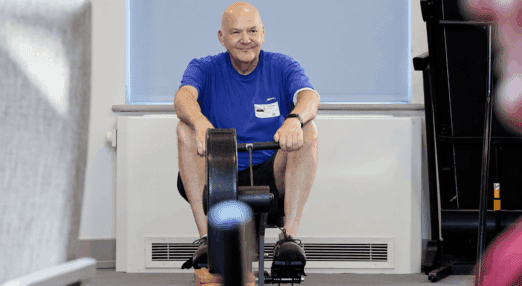
“Being around others who have similar experiences makes a big difference. We talk openly, and it’s supportive as well as social. There’s also a bit of gentle exercise involved, which I find helpful. We set ourselves small, realistic goals for outside the course – mine has been to walk to the end of the garden twice a week, which is about 130 yards.
“The sessions are run by Donna and her team, and I can’t speak highly enough of them. The structure, the care, and the commitment they show is amazing. All the staff and volunteers are wonderful – they have a real gift for talking to people in the right way. You can tell they genuinely care. Even outside the sessions, if I see nurses or physios who have led something I’ve attended, they always remember me and are pleased to see me.
Gardening course – “It felt good for my mental health, good for the soul.”
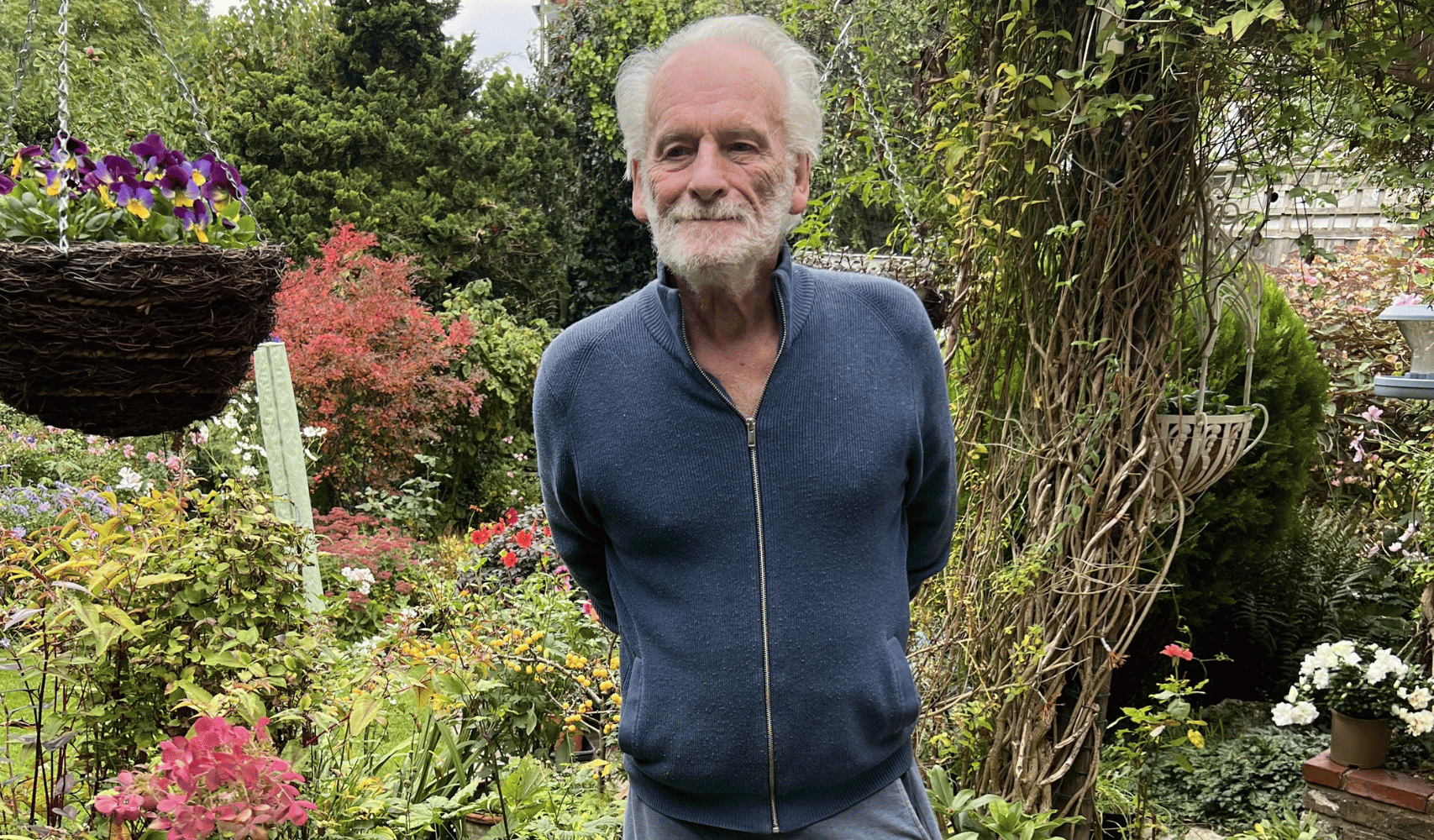
“I also took part in a four-week gardening course at Grove House, which my wife joined me for. It was basic, everyday gardening activities, and it was done at a pace I could manage. I can’t do much physically at home in the garden, so it was nice to be able to do something outdoors with my wife. I could sit down when I needed to, and there was no pressure. It was really nice to be outside in nature – it felt good for my mental health, good for the soul.
“I remember when we first went, the daffodils were just coming out, and by the end the hyacinths were in bloom – they smelt amazing! It was lovely to be outside in spring and see everything coming to life. There were people with all different levels of gardening experience, and it was nice to chat and get to know them.
Chair yoga – “It felt nice to be able to exercise in a way that works for me.”
“I’ve also recently started chair yoga. I do have limitations because of spinal problems, but I’ve found it helpful, especially for breathing and getting into the right mindset. The teacher was very good at explaining things and helping us relax into it. It felt nice to be able to exercise in a way that works for me.
“The support I’ve had from Rennie Grove Peace to live well with my illness has made a positive impact on my physical health and mindset – as well as given me something to look forward to and a chance to connect with others.”
“At home, things are quieter than I’d like. I have six grandchildren, but I don’t see them very often as they live a long drive away and the journey is too much for me. It’s mostly just me and my wife, along with our dog and cat. The support I’ve had from Rennie Grove Peace to live well with my illness has made a positive impact on my physical health and mindset – as well as given me something to look forward to and a chance to connect with others.
“When I’m there, I feel completely relaxed. There’s no pressure, no inhibitions – just a very calm and welcoming atmosphere. I’ve really valued being part of it.”
“Rennie Grove Peace isn’t all about end of life care, but more about enjoying life to the full with whatever condition you’re suffering with”
I would encourage anyone who has reservations to explore the welcoming, support and kindness provided by the team at Rennie Grove Peace. The term hospice can be very frightening, but Rennie Grove Peace isn’t all about end of life care, but more about enjoying life to the full with whatever condition you’re suffering with”
Support with breathlessness and fatigue
“I’ll soon be attending the Rennie Grove Peace breathlessness and fatigue clinic, and I’m looking forward to learning more about how to manage my breathing difficulties. It’s hard to truly describe what breathlessness feels like unless you’ve experienced it – that desperate gasping for air. Rennie Grove Peace has made a huge difference in how Carol and I cope with my condition. The nurse clinic team has been incredibly supportive, caring, and respectful, which means so much. It’s reassuring to know that help is always just a phone call away.”
You may also be interested in
-

Living well with illness
We provide early support to help you cope with your diagnosis and live well with your illness.
Read more
-
Living Well centres
At our Living Well centres in St Albans and Watford, we’re dedicated to giving you the confidence to live well every day.
Read more
-
Planning your care
We will gently guide you through conversations that will help you think ahead and plan the care you want
Read more